

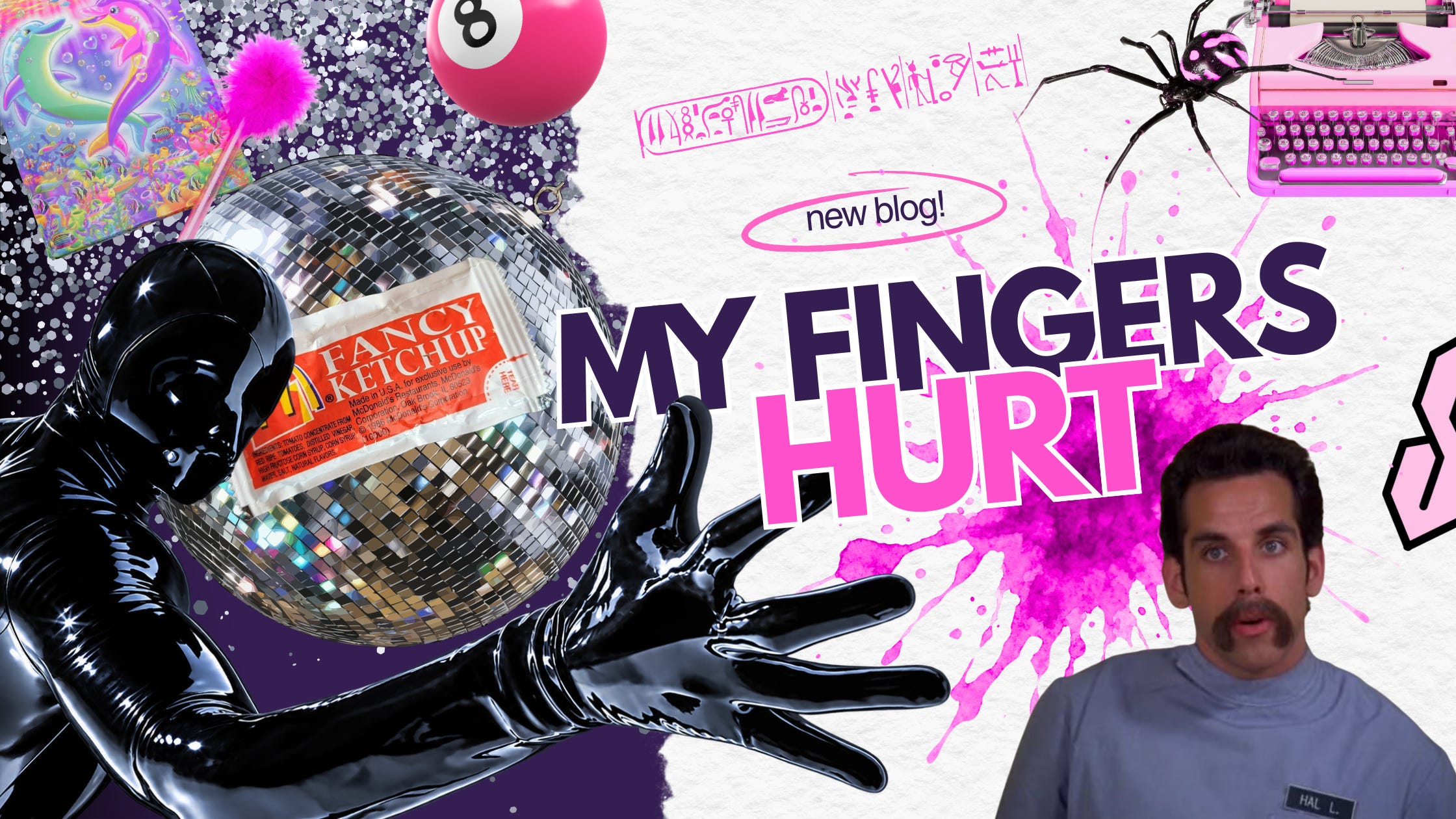
I can put my legs behind my head with virtually no consequences, but sometimes pressing my fingertips against a keyboard sends shockwaves of pain through my entire body. Kyphoscoliotic Ehlers-Danlos syndrome is fun like that.
And this, friends, is where we arrive at my very practical, very unsexy use of AI.
EDS is a connective tissue disorder, which basically means the stuff that’s supposed to hold my body together isn’t particularly committed to the bit. For me, that means a spine that looks like Mulholland Drive, and hypermobility that makes me ridiculously bendy and capable of the aforementioned legs-behind-the-head party trick. My boyfriend’s a really happy guy.
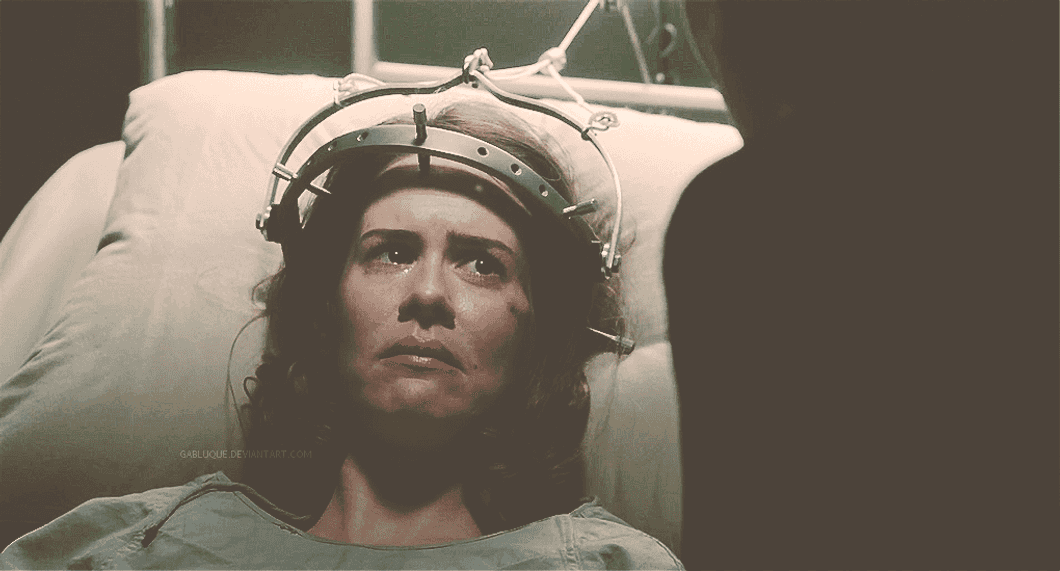
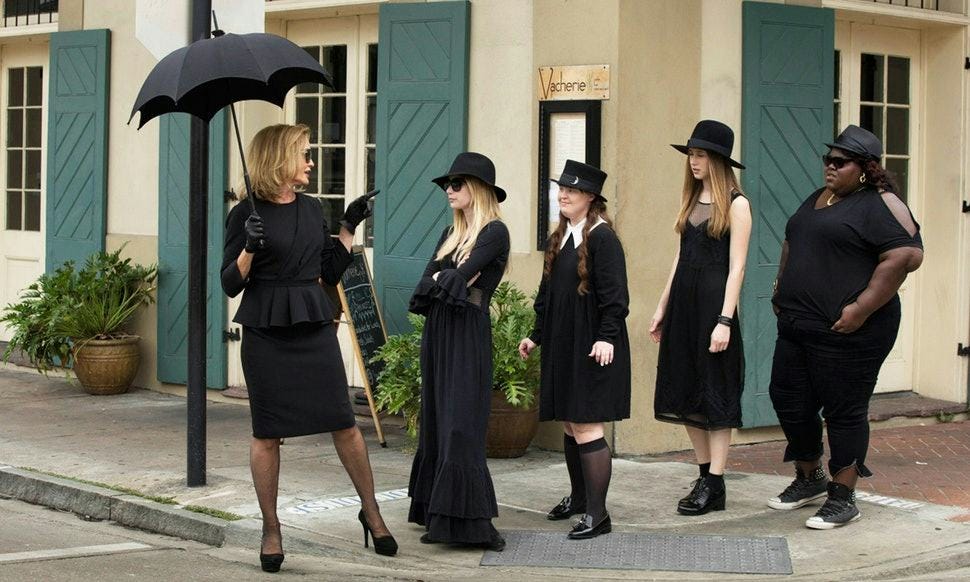
It can also mean my stomach doesn’t always move things along the way it’s supposed to and can send my digestive system into paralysis. My body gets exhausted doing things other people’s bodies seem to accomplish without feeling like they fell out of a ten-story window. And lately, my fingertips have become incredibly sensitive and sore to the touch. The same disorder that makes me unusually flexible can also make something as mundane as repeatedly pressing my fingers against a keyboard feel like I’ve landed on Dr. Arden’s examination table in American Horror Story: Asylum.
Which is an especially cruel development when writing is the thing I love to do most. I’ve made peace with having to give up pole dancing and weightlifting and other hardcore hobbies that were legitimately beating the shit out of my body. But pushing buttons? Come on. My hobby quite literally pains me now, and I find that deeply insulting. I’m 42, not 96. I guess I should shut up about it before Ben Stiller puts me on landscaping duty.
I dictate quite a bit, which shouldn’t come as a surprise to anyone because I really can’t shut the fuck up. Having ADHD also means ideas have a habit of arriving while I’m driving, when I can’t exactly sit there and type them out. So I talk into my phone instead. Then the computer takes that and turns it into a transcript, removing the ums, the uhs, the “Elliot, wait,” the “stop, give me a minute,” and the “would you please stop putting a lollipop in the dog’s ear?”
The other technology I use in my writing is Grammarly, but I keep it on a pretty short leash. I want it to catch the typo or tell me I put a comma somewhere stupid. I don’t want it rewriting my sentences for me.
Outside of writing, I use AI frequently at work to debug scripts, clean up code, and troubleshoot all the bugs in the latest Shopify release, which can make my e-commerce work feel like I’m trapped in the Hotel Cortez. Can I add beta tester to my LinkedIn profile? Because there is absolutely no QA done on this thing before release.
This is where I run into an ethical conundrum, because I remain deeply skeptical of generative AI when it comes to art. I don’t want a machine writing my stories for me or showing me what I would have looked like in the ‘80s. I don’t want its filthy mudhooks on my jokes. Handing the actual creative work over to AI feels almost sacrilegious to me. It would be like being an executive chef, spending hours making a gorgeous filet mignon, plating it perfectly, and then dumping McDonald’s ketchup all over it. Why would I do that to something I care this much about?
But I also can’t ignore the accessibility piece of this conversation.
Technology is increasingly what allows me to keep doing the thing I love without physically hurting myself to do it. The thoughts, stories, jokes, and weird metaphors all came out of my brain. Filthy mudhooks from a few paragraphs back? Yeah, my mom said that when I was a kid. That’s fucking mine. Sometimes the physical mechanism that gets all of it from my brain onto the page just isn’t my fingers anymore.
Here’s the part that worries me: somewhere along the way, the technology I use to make writing accessible to me could become the thing used to question whether I wrote it at all. I’ve loved the em dash my entire life, and I’ve actually stopped using it because I got tired of people seeing one and immediately assuming my writing had been caressed by the robot fingers of AI. It hadn’t. I just paid attention in English class and know how to use an em dash. A transcription gets cleaned up, I untangle a sentence, and suddenly I’m wondering whether some AI detector is going to look at the finished piece and decide it’s an unholy creation I conjured in the basement of Miss Robichaux’s Academy.
Which leaves me wondering where exactly we’re drawing this line.
Is my work somehow less mine because I didn’t chisel it onto the walls of a pyramid? Did writers lose a little authenticity when they abandoned quill and ink for the typewriter? Did the word processor cheapen writing because suddenly we could delete a sentence without crumpling up an entire sheet of paper and angrily chucking it against the wall? At what point does a tool become something that somehow diminishes authorship, particularly when that tool is also making creation accessible to someone whose body is making the old method harder?
I don’t have a tidy answer to that yet. I think there’s a massive difference between using technology to create art for you and using technology to make it physically possible for you to create art. But I also don’t want accessibility to become a convenient blanket excuse that prevents us from asking difficult questions about generative AI, authorship, originality, and what we’re willing to hand over to machines.
So I’m curious how other writers are navigating it. How do we protect human creativity without deciding that the only authentic way to make something is also the hardest possible way to make it?
Maybe there’s room for a little flexibility here. I mean, we don’t have to go putting our legs behind our heads or anything. Maybe we can stop treating unnecessary torture as a badge of honor. You don’t need to be locked in Bloody Face’s basement and turned into a human lampshade to prove your artistic integrity. Sometimes you can just use the frickin’ tool that makes the thing easier.
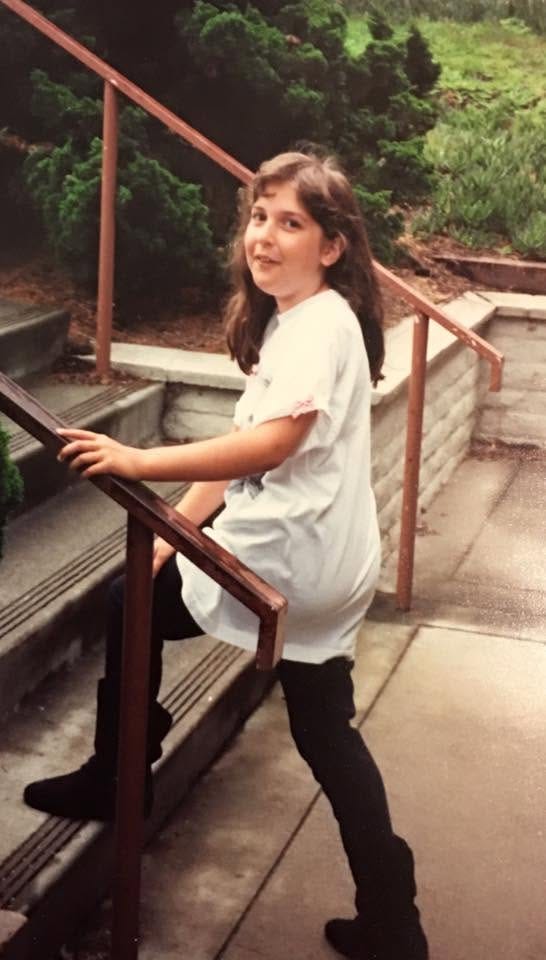
Because I am deeply protective of the art. And I am nostalgic for sitting crisscross applesauce in the back of my mom’s car with a journal in my lap, feeling a Bic pen glide across the page while she drove. There was a particular writer’s high in that physical act that I genuinely miss now that my body is making it harder for me to have it.
But am I nostalgic enough to chisel my shit into a pyramid wall? Hell no.
I mean, my fingers hurt.